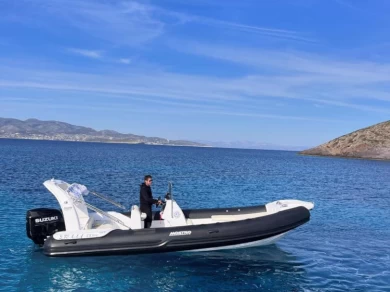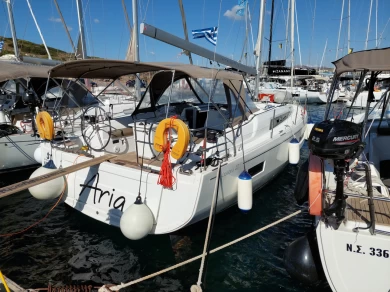
Planning a trip to the Mediterranean often leads to one important question: which boat is best for sailing in Greece? Whether you are dreaming of a quiet family holiday in the Ionian Islands or an exciting island-hopping journey through the Cyclades, the vessel you choose shapes your entire experience. Greece offers diverse sailing grounds, from sheltered bays to areas with strong seasonal winds. Finding the right balance of comfort, performance and space makes all the difference. At SamBoat, we make it easy to find the right boat for your plans. We have put together a comprehensive comparison of catamarans, sailboats and motor yachts to help you select the ideal option for your upcoming Greek getaway.
Why boat choice matters in Greece
Choosing the right vessel is a fundamental part of planning your Mediterranean holiday. Greek waters present a wide variety of environments, making your decision highly dependent on where and when you plan to travel. If you want to explore our sailing guide to Greece, you will notice that weather patterns differ greatly between regions.
Greek sailing conditions that affect boat selection
The Aegean Sea is famous for the Meltemi, a strong northerly wind that blows during the summer months. These winds provide excellent propulsion for experienced sailors but can create choppy conditions that require a highly stable vessel. On the other hand, the Ionian Sea typically experiences lighter, more predictable breezes, making it a very relaxed environment for beginners and families alike. Matching your vessel to these local conditions ensures a smoother and more enjoyable journey for everyone on board.
Islands, anchorages and draught considerations
When you rent a boat in Greece, you also need to think about where you will drop anchor. Many picturesque fishing villages and hidden bays feature shallow waters and tight mooring spaces. A vessel with a shallow draught can easily navigate close to the shoreline, allowing you to secure prime spots in crowded harbours. In contrast, deep-keeled vessels might require you to moor further out. Understanding the layout of your desired anchorages helps you select a boat that offers both safety and convenience during your coastal explorations.
Catamaran vs sailboat vs motor yacht: full comparison
Stability, space and comfort
- Catamarans: Known for their dual-hull design, these vessels provide excellent stability on the water. They do not heel over, which minimises motion sickness for sensitive guests. The wide deck offers abundant lounging space, making a catamaran rental in Greece ideal for large families or groups seeking hotel-like comfort.
- Sailboats: Traditional monohulls feature a cosier, more intimate layout. While they offer less living space than multihulls, modern designs still provide highly comfortable cabins and a classic nautical atmosphere. They do heel with the wind, which is part of their charm but requires guests to adapt to the angle of heel.
- Motor yachts: These vessels deliver superb luxury and multi-level living areas. You enjoy spacious interiors, climate-controlled cabins and expansive flybridges. The sheer volume of space makes them perfect for entertaining guests while enjoying smooth transitions from one destination to the next.
Performance and sailing experience
- Catamarans: Multihulls are relatively fast on a reach and offer a smooth, upright ride. They are not as nimble when pointing close to the wind, but their shallow draught allows them to access secluded coves that other vessels cannot reach.
- Sailboats: For purists, nothing beats the feeling of a sailboat rental in Greece. They slice through waves with ease, provide excellent windward performance and deliver a highly engaging, hands-on experience at the helm.
- Motor yachts: Speed and convenience define this category. You do not need to wait for favourable winds. A motor yacht allows you to cover vast distances rapidly, giving you the flexibility to visit multiple islands in a single day without relying on the weather.
Fuel efficiency and running costs
- Catamarans: They feature two engines but mostly rely on the wind, keeping fuel expenses relatively low. However, their wide beam means they often incur higher marina berthing fees.
- Sailboats: As the most eco-friendly option, monohulls run primarily on wind power. They use minimal fuel and have a narrower profile, which keeps harbour fees very affordable.
- Motor yachts: These powerful vessels consume a significant amount of fuel, making them the most expensive to run. The trade-off is the ability to maintain a fast, strict schedule regardless of wind conditions.
Our recommendation by sailing region
Every group of islands in the Aegean and Ionian seas offers a distinctly different atmosphere and weather pattern. To help you finalise your plans, we have matched the main island groups with the vessel types that perform best in those specific waters. If you are looking for inspiration on where to drop anchor, take a look at our guide on wonderful places to visit in Greece by boat.
- The Cyclades islands: This region is famous for its iconic whitewashed villages and the powerful Meltemi winds during July and August. Due to the choppy seas, a heavy, stable vessel is highly recommended. A sturdy monohull sailboat excels here as it cuts efficiently through the waves, offering a safe and authentic sailing experience. If comfort is a priority, a heavy displacement motor yacht will also handle the swell effectively while moving between islands.
- The Ionian islands: Located on the western coast, this area boasts lush green landscapes, calm waters and predictable afternoon breezes. It is an excellent region for an island hopping Greek sailing itinerary. Catamarans are an excellent choice here. The calm conditions allow you to fully enjoy the spacious decks, while the shallow draught lets you anchor just steps away from pristine beaches like Navagio.
- The Saronic Gulf: Situated close to Athens, this area offers protected waters and short distances between historic ports. Both sailboats and catamarans work wonderfully here. Since the winds are generally moderate, a sailboat provides a delightful experience for beginners taking the helm for the first time. Meanwhile, a motor yacht allows weekend travellers to see a large number of ancient ruins and coastal tavernas in a very short timeframe.
Selecting the ideal vessel depends entirely on your group size, budget and travel style. Below is a quick breakdown to help you compare the main boat types available for your Mediterranean getaway.
| Boat type | Licence needed? | Ideal for | Typical group size |
|---|---|---|---|
| Sailboat | Yes, for bareboat | Authentic sailing, couples, small families | 2-8 guests |
| Catamaran | Yes, for bareboat | Comfort, stability, shallow anchorages | 6-12 guests |
| Motor yacht | Yes, for bareboat | Speed, luxury, tight schedules | 4-10 guests |
| RIB | Depends on engine power | Day trips, quick coastal hops | 2-8 guests |
FAQ section
Is a catamaran or monohull better for sailing in Greece?
Both options are excellent, but the better choice depends on your priorities and the region. A catamaran offers superb space, stability and a shallow draught, making it perfect for relaxing trips with large groups in the Ionian Sea. A monohull provides a more authentic, sporty sailing experience and cuts through the choppy waves of the Aegean Sea much more efficiently.
What size boat do I need for the Greek islands?
For couples or small families of up to four people, a monohull between 35 and 40 feet is usually sufficient and easy to manoeuvre in tight ports. Larger groups of eight to twelve guests will benefit from a catamaran ranging from 40 to 50 feet, which offers multiple cabins, separate bathrooms and generous communal living spaces.
Do I need a licence to charter a boat in Greece?
Yes, if you plan to rent a bareboat, you must provide a valid coastal sailing licence recognised by the Greek port authorities, as well as an official translation in English or Greek if applicable. If you do not have the required certification, you can simply rent a vessel with a professional skipper who will handle all the navigation on your behalf.
Are catamarans more expensive to charter in Greece?
Generally, yes. Multihulls command a higher initial rental rate due to their large size, dual engines and extensive amenities. Additionally, because they are wider than monohulls, they take up two spaces in marinas, which means you will pay higher berthing fees when spending the night in local harbours.
What is the best boat for sailing the Cyclades with strong winds?
During the summer, the Cyclades experience the Meltemi, a powerful northerly wind. A sturdy, deep-keeled monohull sailboat is a safe and comfortable option for these conditions, as it is designed to slice through heavy swell rather than bounce over it. A heavy displacement motor vessel is also a reliable choice for navigating the chop effectively.