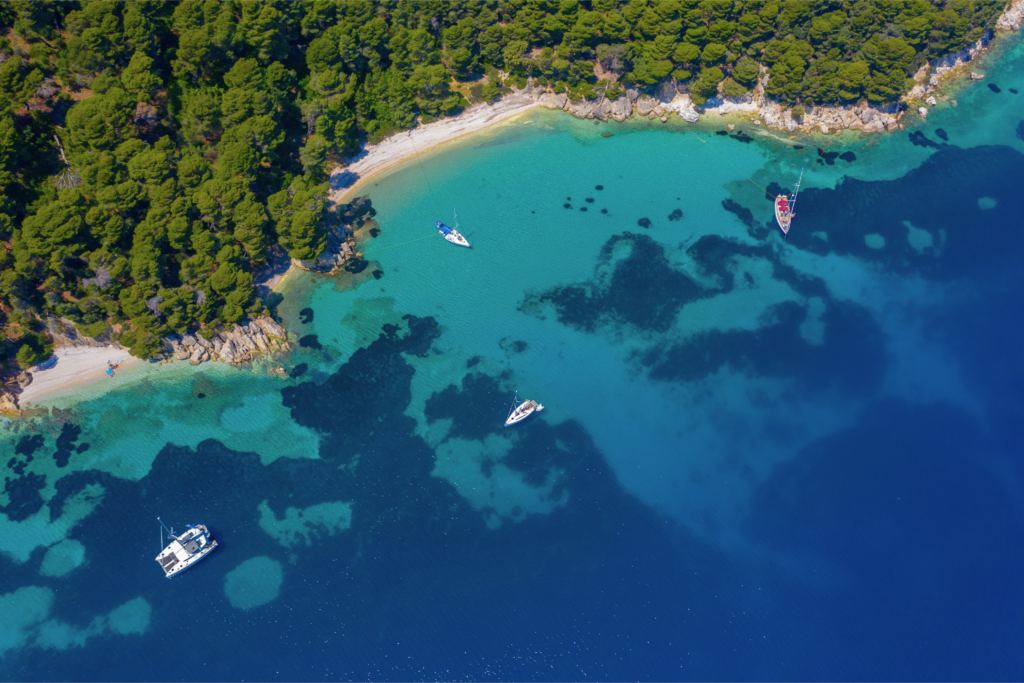
Renting a boat opens up places you’d never discover from shore. A secluded cove only accessible by sea, lunch at anchor away from the crowds, or a day where you completely lose track of time.
But with that freedom comes a responsibility: looking after the places you’re lucky enough to explore. Renting a boat responsibly doesn’t mean giving anything up. It simply means approaching your time on the water with a little more awareness, without taking away any of the enjoyment.
A few simple principles for more responsible boating
Before diving into the details, responsible boating usually comes down to a few simple principles:
- Choose the right boat for your plans
- Prepare your trip in advance
- Respect sensitive natural areas
- Take your time on the water
- Adopt a few simple habits before, during and after your outing
Responsible boating starts before you leave the harbour
It’s easy to think that responsible boating is all about what happens once you’re on the water. In reality, many of the most important decisions are made before you even leave the harbour.
Choose the right boat for your plans, the size of your group and your level of experience, and you’ll already be setting yourself up for a better day on the water. A relaxed day for two in a sheltered bay has very different requirements from a week-long cruise or a more active day afloat. Selecting a boat that genuinely suits your needs often means greater comfort, but also fewer unnecessary journeys or complications along the way.
It’s also worth taking a few minutes to learn about your cruising area beforehand: local regulations, speed limits, protected areas, weather conditions and permitted anchoring zones. A little preparation can prevent plenty of unexpected issues and help you better understand the destination you’re visiting, including any sensitive areas that deserve extra care.
Good preparation often leads to a smoother, more enjoyable and more responsible experience overall.
Understanding what’s beneath the surface
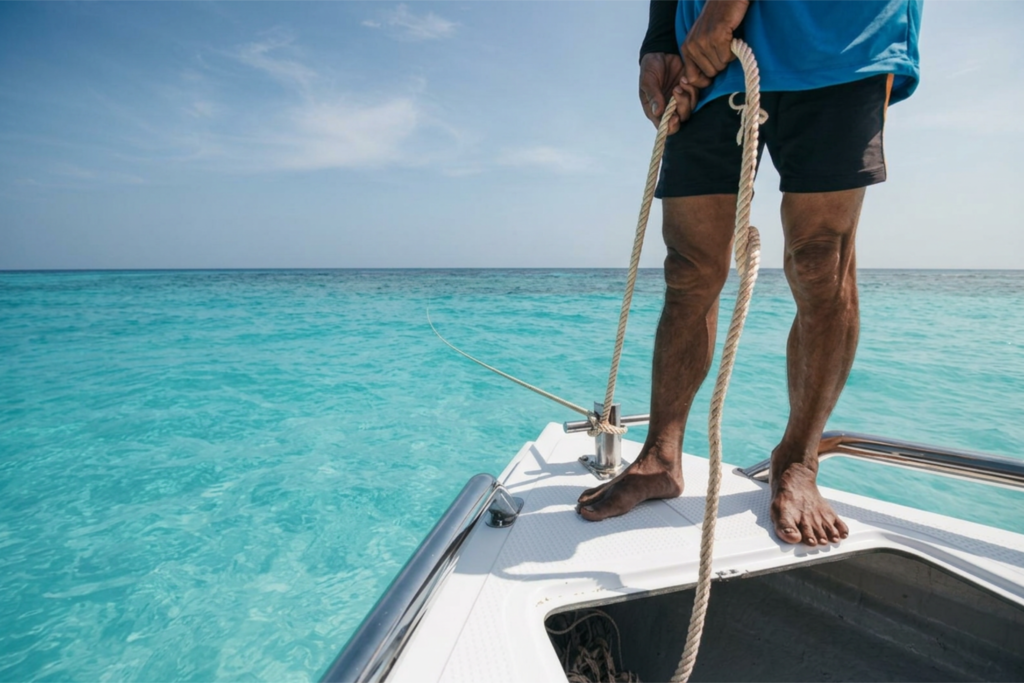
When you’re out on the water, it’s natural to focus on what’s right in front of you: crystal-clear water, the perfect cove to drop anchor, or a peaceful spot for a swim.
Beneath the surface, however, there are often particularly fragile ecosystems that go completely unnoticed.
In the Mediterranean, Posidonia seagrass meadows play a vital role in marine biodiversity, coastal protection and carbon storage. Often described as underwater forests, they provide shelter for many fish species and help reduce coastal erosion.
Yet from the surface, you’d hardly know they were there, and poor anchoring practices can be enough to damage them. That’s why some areas now use eco-friendly moorings or designated buoy systems to help protect these valuable habitats.
Once you understand what’s beneath your boat, you tend to look at anchoring a little differently.
Why slowing down often leads to a better day on the water
When you’re planning a day on the water, it’s tempting to try to fit in as much as possible.
Several coves, multiple stops and a packed itinerary can sound appealing on paper. In reality, those aren’t always the days that leave the strongest memories.
Trying to pack too much into the day often leads to unnecessary miles, a rushed schedule, improvised anchoring stops or that constant feeling of checking the time.
By contrast, some of the best moments come from a long lunch at anchor, an unplanned swim in perfectly calm water or deciding to stay a little longer in a place you hadn’t expected to linger.
On the water, slowing down doesn’t mean missing out. More often than not, it’s the best way to enjoy the experience.
Sharing the sea with others
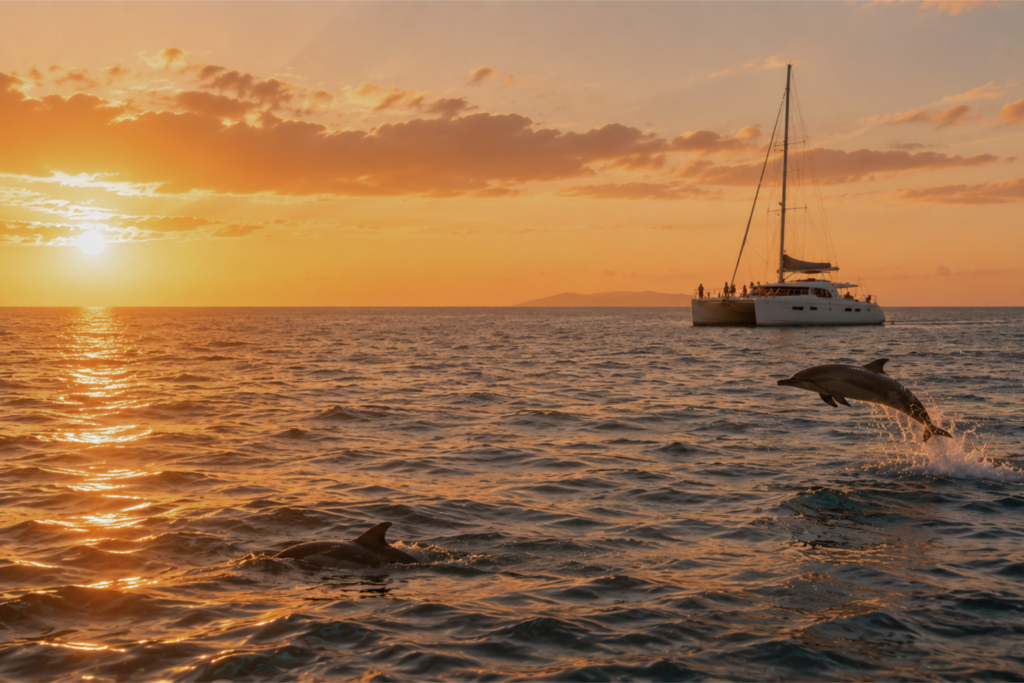
Time on the water is rarely yours alone.
That cove where you’ve just dropped anchor for lunch is likely being enjoyed by anglers, swimmers and divers too. And sometimes by dolphins, sea turtles and countless fish species.
Some species are particularly sensitive to noise and disturbance, and repeated close encounters can alter their natural behaviour.
You don’t need to be a marine biologist to be mindful of this. Simply understanding these realities often makes it easier to adopt more considerate habits while you’re on the water.
Keeping this in mind can naturally change the way you navigate and explore.
Small habits that make a real difference
More responsible boating isn’t only about planning or choosing the right route.
It also comes down to a few simple habits before, during and after your day on the water: managing waste carefully, paying attention to where you anchor, choosing products that are better suited to the marine environment and limiting unnecessary pollution.
Taken individually, these actions may seem insignificant. Yet when they’re adopted by thousands of boaters every season, the impact becomes very real.
Small habits, repeated consistently, can make a meaningful difference.
A different way to enjoy the sea
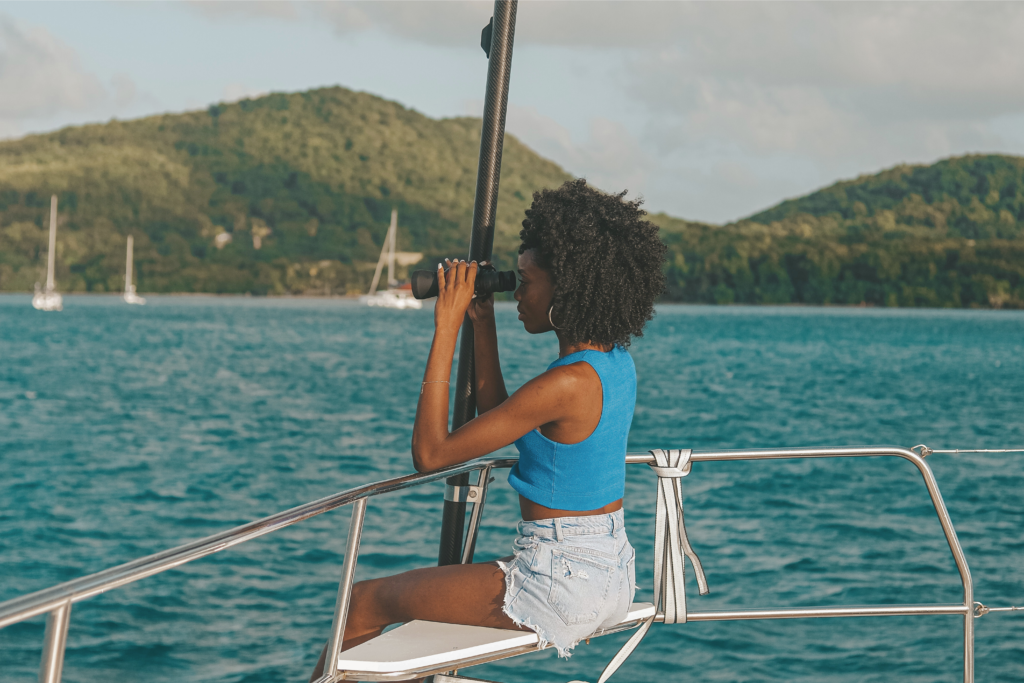
At SamBoat, we believe that the more you understand the sea, the more you can enjoy and help protect it.
Responsible boating isn’t about restricting yourself. It’s simply another way of experiencing the sea: with a little more awareness of the places you visit and the ecosystems that make them so special.
And that’s often what makes the experience even more rewarding: rent a boat, explore at your own pace and help protect the places that make time on the water so special.
FAQ
What does renting a boat responsibly mean?
Renting a boat responsibly doesn’t mean sacrificing comfort or enjoyment. It’s about preparing your trip properly, respecting local regulations, being mindful of the natural environments you visit and adopting a few good habits once you’re on the water.
Why should you pay attention to where you anchor?
Anchoring can affect fragile marine ecosystems, particularly Posidonia seagrass meadows in the Mediterranean. Whenever possible, it’s best to use designated anchoring areas or mooring buoys provided for that purpose.
Can you boat responsibly without much experience?
Yes. Responsible boating is largely based on common sense and preparation. Learning about your destination, following local rules and adopting a few simple habits can already help reduce your impact while allowing you to fully enjoy your time on the water.
What are the easiest ways to reduce your impact at sea?
Some of the simplest steps include taking your rubbish back to shore, choosing marine-friendly products, paying attention to where you anchor and keeping a respectful distance from marine wildlife. Small actions, repeated by thousands of boaters, can make a genuine difference.


