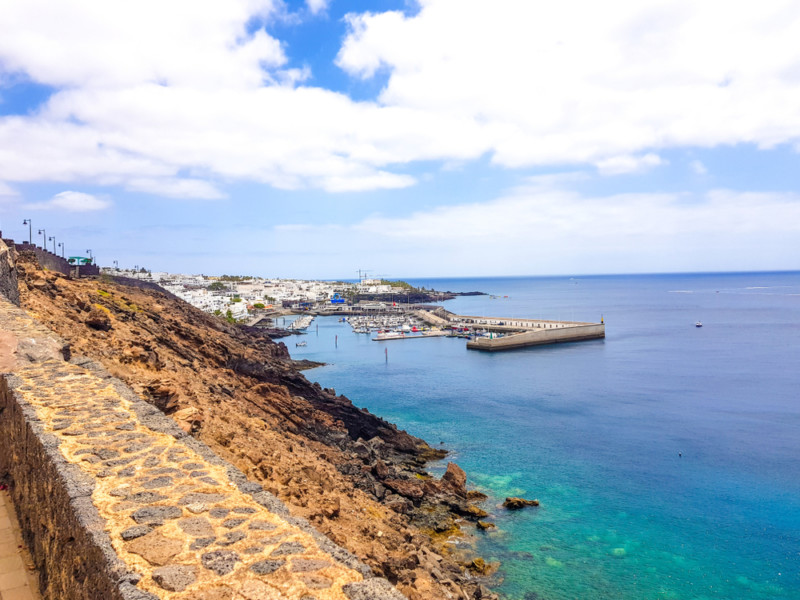
Escaping the cold to find abundant sunshine and reliable winds is a dream for many sailors. This Atlantic archipelago provides an exceptional winter oasis, blending warm waters, consistent breezes, and stunning volcanic landscapes. Whether you are looking for a relaxing island-hopping holiday or an exhilarating open-water adventure, a boat rental in the Canary Islands offers something for everyone. Rent a boat with SamBoat and enjoy the experience on your terms.
Why the Canary Islands are ideal for winter sailing
Location, climate & year-round sailing season
Located off the northwestern coast of Africa, the archipelago enjoys a subtropical climate that makes it a true year-round destination. While much of Europe experiences colder weather, this region boasts comfortable daytime temperatures, gentle sunshine, and low rainfall. The warm waters invite you to explore secluded bays, drop anchor near quiet beaches, and observe vibrant marine life without the need for thick wetsuits. It is easy to see why so many sailors head here during the colder months to enjoy a continuous sailing season.
Atlantic sailing with volcanic scenery
Navigating the deep blue Atlantic waters provides a striking contrast against the dramatic volcanic shorelines. From towering cliffs dropping straight into the ocean to black sand beaches and lush green mountains, the views from the deck are truly spectacular. This unique topography not only creates breathtaking panoramas but also shapes the distinctive wind patterns that sailors appreciate. Exploring these waters allows you to experience nature at its most rugged and beautiful, making every nautical mile memorable. You might even spot shoals of native fish darting through the crystal-clear depths as you approach the coastal reefs.
Winter sailing conditions
Trade winds & acceleration zones
Navigating these open waters requires an understanding of the local wind systems that make sailing here so dynamic and engaging for the crew.
- Consistent breezes: The famous northeast trade winds are a regular feature in this region, providing steady, reliable propulsion for your vessel across the deep blue ocean.
- Acceleration zones: The towering volcanic peaks funnel the wind between the islands, creating specific coastal areas where the wind speed increases significantly.
- Reefing early: Experienced skippers understand the importance of preparing for these environmental changes by actively reducing sail area well before entering the acceleration zones.
Sea state, currents & distance between islands
The Atlantic Ocean naturally offers a more spirited sailing experience compared to sheltered seas, rewarding those who come properly prepared.
- Ocean swells: You will frequently encounter larger ocean swells, especially when passing the unprotected northern coasts of the islands where the deep water meets the shallow coastal shelf.
- Navigational planning: The sailing distances between the main islands typically range from thirty to sixty nautical miles, requiring careful route planning and prompt morning departures.
- Local currents: Always pay close attention to tidal streams and complex ocean currents that flow rapidly between the inter-island channels, as they can significantly influence your passage times.
Best months for winter sailing
Timing your trip helps you capture the ideal balance of wind, weather, and overall sea conditions.
- November to December: These late-year months officially mark the start of the prime sailing season, offering comfortably warm days, vibrant sunsets, and pleasant sailing conditions.
- January to February: This is the peak period for escaping the northern winter, featuring steady breezes, clear skies, and lively harbour towns.
- March to April: As the spring season approaches, the local weather remains superb, making it a fantastic time for a final getaway before the mainland summer heat arrives.
Island-by-island sailing guide in winter
Tenerife & La Gomera
Tenerife acts as a fantastic central hub with excellent marinas. Crossing over to the neighbouring shores is a popular route for nature lovers.
- Start your journey: Depart from the southern ports of Tenerife, where the weather is usually calmer and the mooring facilities are excellent.
- Whale watching: The deep channel between the two islands is world-famous for marine life, so keep a lookout for dolphins and whales swimming nearby.
- Explore ashore: Once safely anchored, take time to hike the ancient, misty laurel forests that cover the highlands of La Gomera.
Gran Canaria & Fuerteventura
Sailing between these two distinct locations offers a rich mix of bustling modern ports and expansive, quiet sandy shores.
- Diverse anchorages: The coast provides both vibrant city marinas in Las Palmas and quiet, secluded southern bays for dropping anchor.
- Long passages: The crossing to Fuerteventura requires a solid day of focused sailing, rewarding you with spectacular coastal dunes upon arrival.
- Windsurfing spots: The eastern island is a recognised haven for water sports, making it ideal for a lively and active stopover.
Lanzarote & La Graciosa
This beautiful eastern duo presents a unique, lunar-like natural landscape and a more relaxed, peaceful daily pace.
- Protected marine reserves: The northernmost island is a pristine sanctuary where anchoring is restricted but highly rewarding for observing marine life.
- Volcanic exploration: The fiery history of Lanzarote is clearly visible from the water, featuring stunning red and black rock formations along the coastline.
- Sheltered sailing: The narrow strait separating the islands offers protected, flat waters for a smooth afternoon cruise.
Practical info: costs, marinas & booking tips
Securing the right vessel early and planning your overnight stops will help make your holiday seamless. Marinas fill up quickly during the peak winter season, so advance reservations are highly recommended. With SamBoat, you can compare boats, read reviews and book in just a few clicks. Always consider the specific amenities your crew needs, such as reliable shore power and easy provisioning access, when mapping out your itinerary. If you want to read more local advice before your departure, you can easily explore the Canary Islands further online to finalise your plans.
Canary Islands vs Caribbean for winter sailing
While both tropical destinations offer brilliant sunshine and warm waters to escape the winter cold, they present distinct experiences. The Caribbean is widely celebrated for its calm, shallow anchorages and short island-hopping distances, making it ideal for a leisurely pace. In contrast, this Atlantic archipelago provides an exhilarating sailing experience with deeper waters, stronger winds, and a more robust nautical challenge. If you seek dramatic landscapes and engaging passages, the Canary Islands are an excellent choice.
When choosing the ideal vessel for this Atlantic destination, consider your group size and sailing experience. Here is a breakdown of the typical options available.
| Boat type | Licence needed? | Ideal for | Typical group size |
|---|---|---|---|
| Sailboat | Yes | Authentic sailing and ocean crossings | 2-8 guests |
| Catamaran | Yes | Comfort, stability and larger groups | 4-12 guests |
| Motorboat | Depending on power | Quick day trips between beaches | 2-8 guests |
FAQ section
What is the best month to sail the Canary Islands?
The optimal time for a nautical holiday here is between November and March. During these months, you will enjoy consistent trade winds and pleasant temperatures, making it an ideal escape from colder climates.
Is it difficult to sail between the Canary Islands?
Navigating between the main islands requires good preparation due to ocean swells and acceleration zones. It demands a solid level of experience, but a professional skipper can easily manage the passages if you prefer to relax.
What are the wind conditions like in the Canaries in winter?
You can expect steady northeast trade winds throughout the season. However, you must stay alert for sudden gusts when passing the high volcanic peaks that funnel the breeze over the coastal waters.
What type of boat is best for the Canary Islands?
Catamarans are highly favoured for their stability in ocean swells and spacious living areas. Sailboats are also an excellent choice for traditionalists who want to engage with the dynamic Atlantic breezes.
How much does a yacht charter cost in the Canary Islands?
The final cost of your holiday will depend on the size of the vessel, the time of year, and whether you hire a professional crew. Booking well in advance usually provides the best selection of well-maintained boats for your trip.


